Are there aliens in this moon slushy?

Thanks for tuning back into the BeX Files, a newsletter about aliens, humans, dinosaurs, alien humanoid dinosaurs, and more. Happy New Year!
I hope you managed to snag the near-mythical “restful” break and welcome to another year of obsessing over 1) Earth and 2) everything else in the universe that is not Earth. I think that more or less covers the scope of this newsletter.
I have a bunch of new articles I’m eager to share, but FIRST let’s start off the year with an update on the tantalizing subsurface oceans locked inside ice worlds, which remain one of the most exciting prospects in the search for alien life.
Two new studies throw cold water on these extraterrestrial cold waters—but with very different implications for the odds of alien life. The first, published in December, casts doubt on the existence of a liquid water ocean Saturn’s moon Titan, while the second, published this week, suggests that Jupiter’s moon Europa might not have the energy to make life (one sympathizes!).
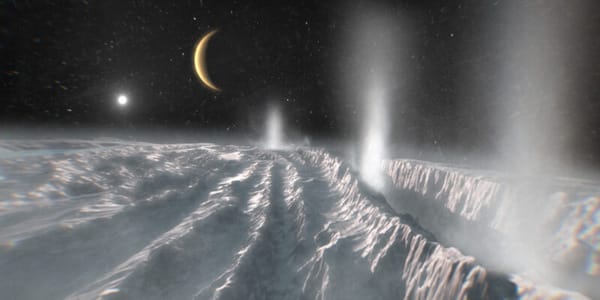
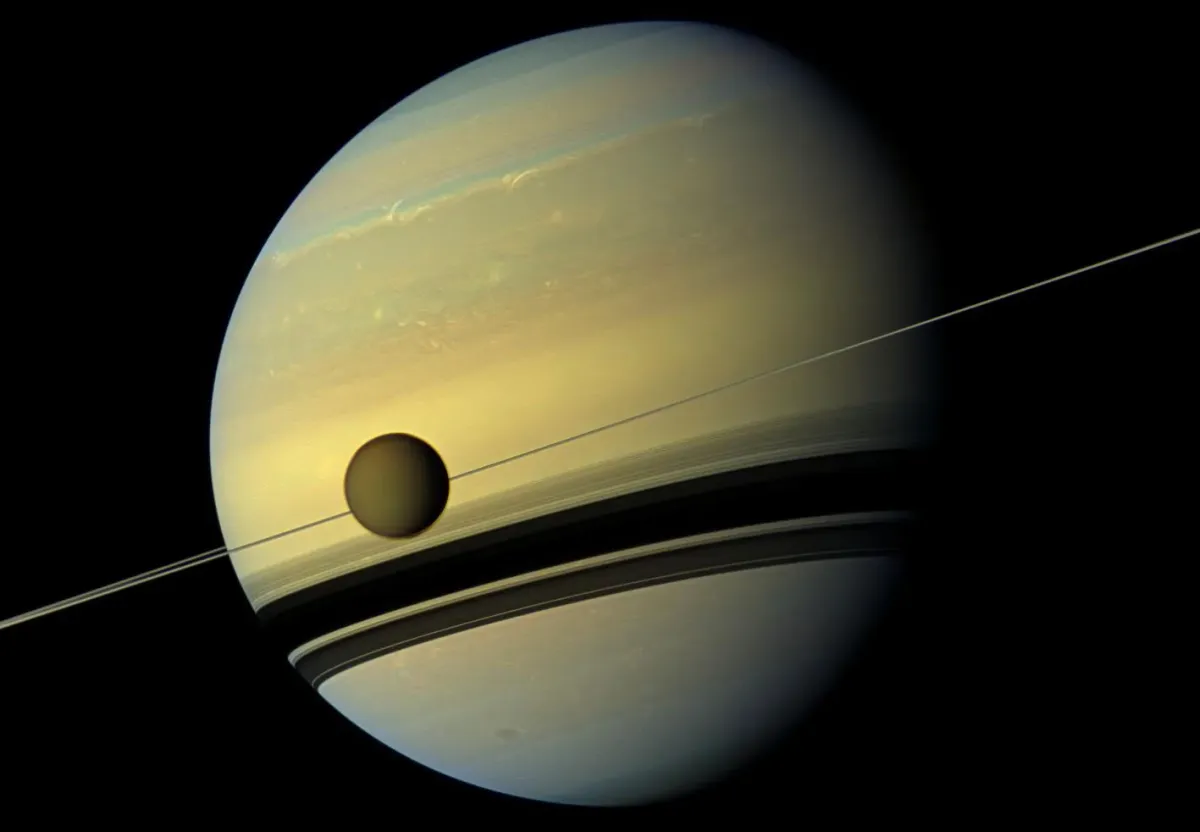
Let’s start with Titan, which sports a dense atmosphere and seas of liquid natural gas on its frigid surface. In addition to its otherworldly terrain, scientists have speculated that Titan might be hiding a liquid water ocean hundreds of miles below its icy crust, where life could potentially feed on rich chemical stews.
 Flavio Petricca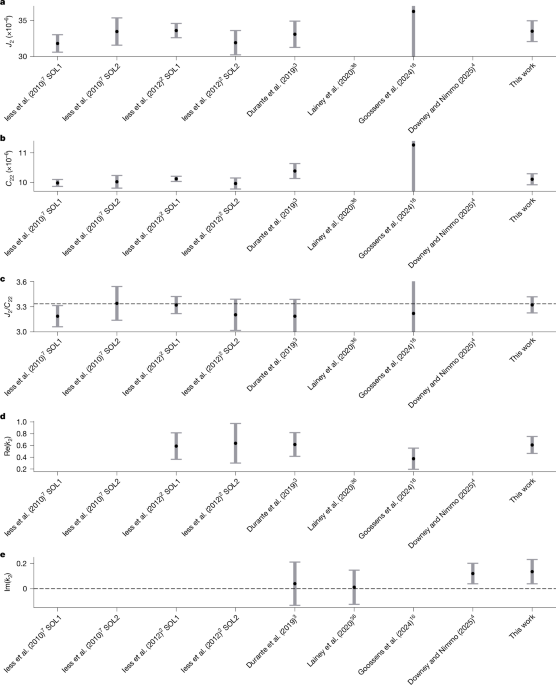
In a new study published in Nature, a team argues that this subterranean water on Titan likely does not exist, based on re-examined observations from the Cassini probe, which studied the Saturnian system from 1997 to 2017. Instead, the study concludes that this buried layer is probably slush.
While that initially sounds like bad news, the authors of the study speculate that this extraterrestrial slush might still be potentially habitable.
“Although a global ocean has been considered ideal for sustaining habitability in Titan, the presence instead of a mushy hydrosphere potentially makes this world more interesting,” said researchers led by Flavio Petricca of NASA Jet Propulsion Laboratory.
This mushy slushy layer could contain “melt pockets” with concentrated ingredients for life, the team said, which “could form unique cryoecological niches, enriched by nutrient-rich fluid.”
“Such an environment resembles Earth’s polar sea ice ecosystems (one of the largest on Earth), in which a large diversity of organisms thrive despite extreme salinity and near-freezing conditions,” Petricca and his colleagues concluded. The team also shouts out NASA’s upcoming mission to Titan, called Dragonfly, which is scheduled to launch in 2028 and could help confirm whether Titan has slushy innards when it arrives at the moon in the mid-2030s.
Following that work, a different team published a study in Nature Communications that suggests Europa’s subsurface ocean, which may well be 100 miles deep, is unlikely to have a geologically active seafloor.
 Paul K. Byrne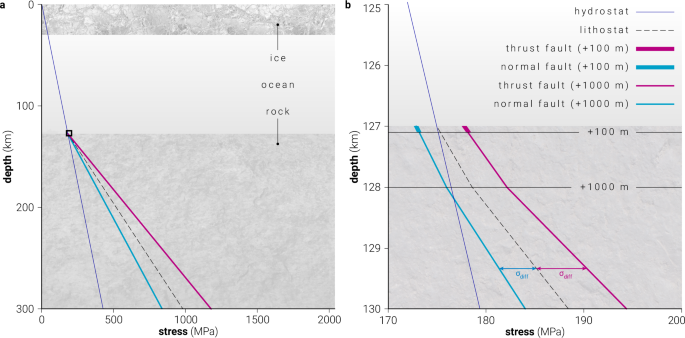
If this is true, then Europa would lack the kind of energy that fuels many “chemoautotrophic” ecosystems in Earth's deep seas, which are powered by chemical reactions rather than sunlight.
“A tectonically inert Europan seafloor does not appear conducive to sustained habitability over geological time,” said researchers led by Paul K. Byrne of Washington University in St. Louis.
“Future studies of Europa’s modern habitability should focus on the generation of energy for chemoautotrophic life by mechanisms that do not require ongoing seafloor tectonics in the current epoch.”
Europa is also the target of a new NASA mission: the Europa Clipper, launched in 2024, will arrive at Jupiter in 2030 and may be able to reveal new details about this curious moon’s vast ocean, and its mysterious seafloor bottom.
Taken together, these two studies reveal just how little we know about these mysterious worlds, and underscore why it is so important to study them up close with new missions. What’s under those chilly crusts? It’s too soon to say, but this research provides an interesting one-two punch on the subject to start out the year.
Before peacing out for the week, I’d love to share a few links that went live over the break. First, I had a lot of fun chatting about my book First Contact: The Story of Our Obsession with Aliens with Andy of That UFO Podcast.
I also enjoyed my conversation about First Contact with Jethro on the podcast Box of Oddities.
For National Geographic, I wrote about the elusive nature of possible alien biosignatures using real-life examples on Mars and Venus.

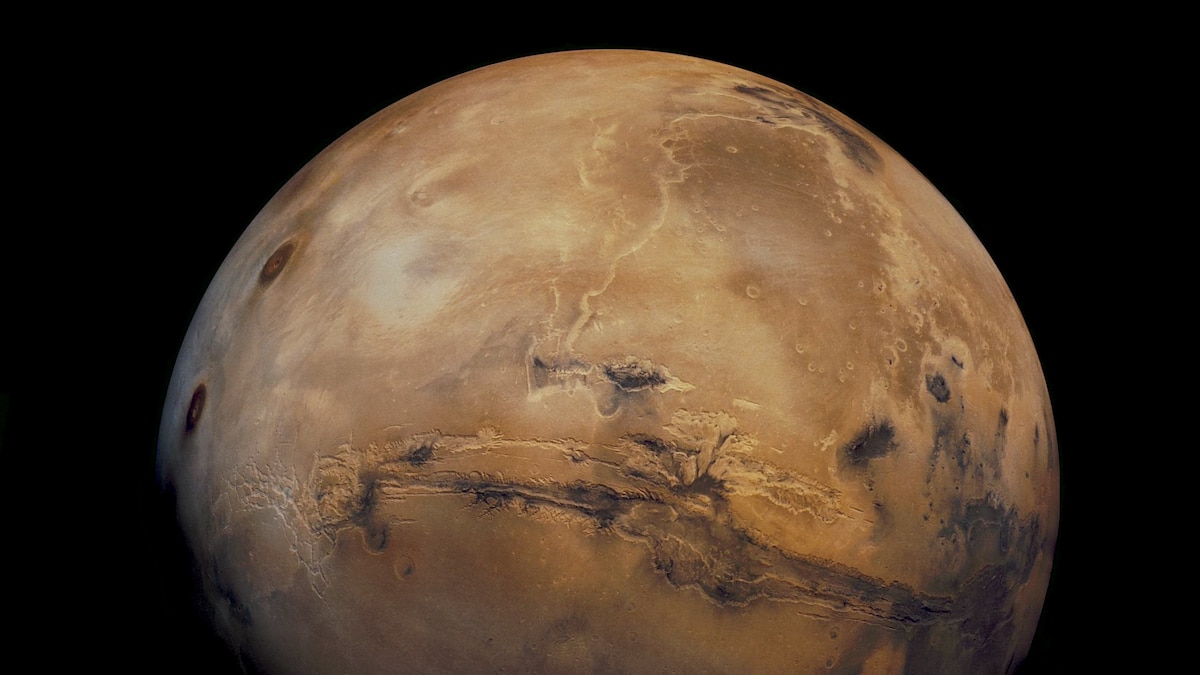
I also covered NatGeo’s YourShot photo challenge of 2025; check it out if you want to be wowed by some amazing nature photography.

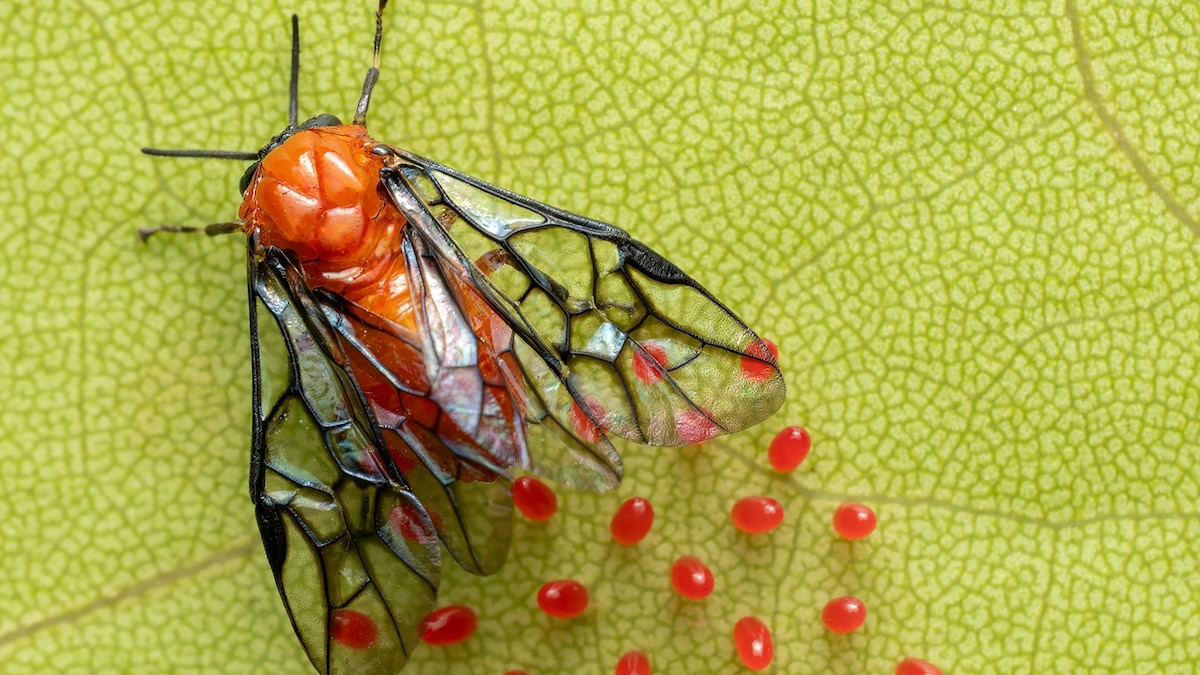
For MIT Technology Review, I wrote a roundup about several books that explore the rise of AI therapists and the collision of AI with mental health.
 Becky Ferreira
I especially recommend that anyone interested in this topic check out Daniel Oberhaus’ The Silicon Shrink: How Artificial Intelligence Made the World an Asylum, which is thoughtful and engrossing. As a bonus for my fellow alien enthusiasts, Daniel is also the author of a fantastic book about xenolinguistics called Extraterrestrial Languages that was a key source for First Contact.
I also wrote this short explainer on radiative cooling, a technology that could be essential for climate adaptation, for Tech Review.
Becky Ferreira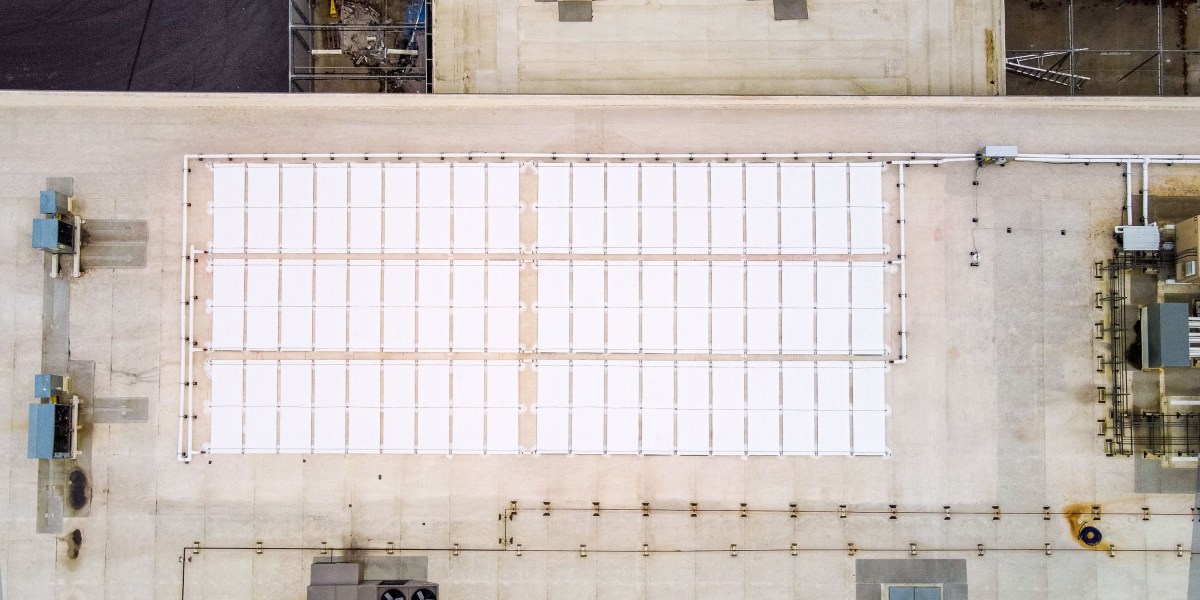
For 404 Media, I continue to write about everything from inexplicable primordial gas to the labor intensity of prehistoric cremations. Subscribe to my weekly 404 Media newsletter, the Abstract, for science updates, if you haven’t already!
For the New York Times, I covered the discovery of the oldest known poisoned arrows, which were crafted 60,000 years ago by hunter-gatherers who lived in South Africa.
Last but not least, I wanted to start the year with some positive news because boy, could we use it! In the last BeX File of 2025, I linked to my New York Times story about the Museum of the Earth, a local hub of paleontology here in Ithaca, New York.
After facing possible closure for years, the Museum has announced it has starved off its financial crisis and will remain open. If you are ever in the Finger Lakes, I highly recommend adding this place to your travels. It’s a hidden gem, and I’m so thrilled it has dodged its own extinction event.
And with that, let’s close the first file of 2026. Thanks for reading, and see you at the cosmic rest stop next week.