Does this Grainy Footage Reveal an Extraterrestrial Spaceship?

Thanks for tuning back into the BeX Files! And what a banner month it has been for alien lovers.
Before I get into the new presidential phase of alien mania, I wanted to share a story about the possible discovery of an actual extraterrestrial spacecraft—one of our own.
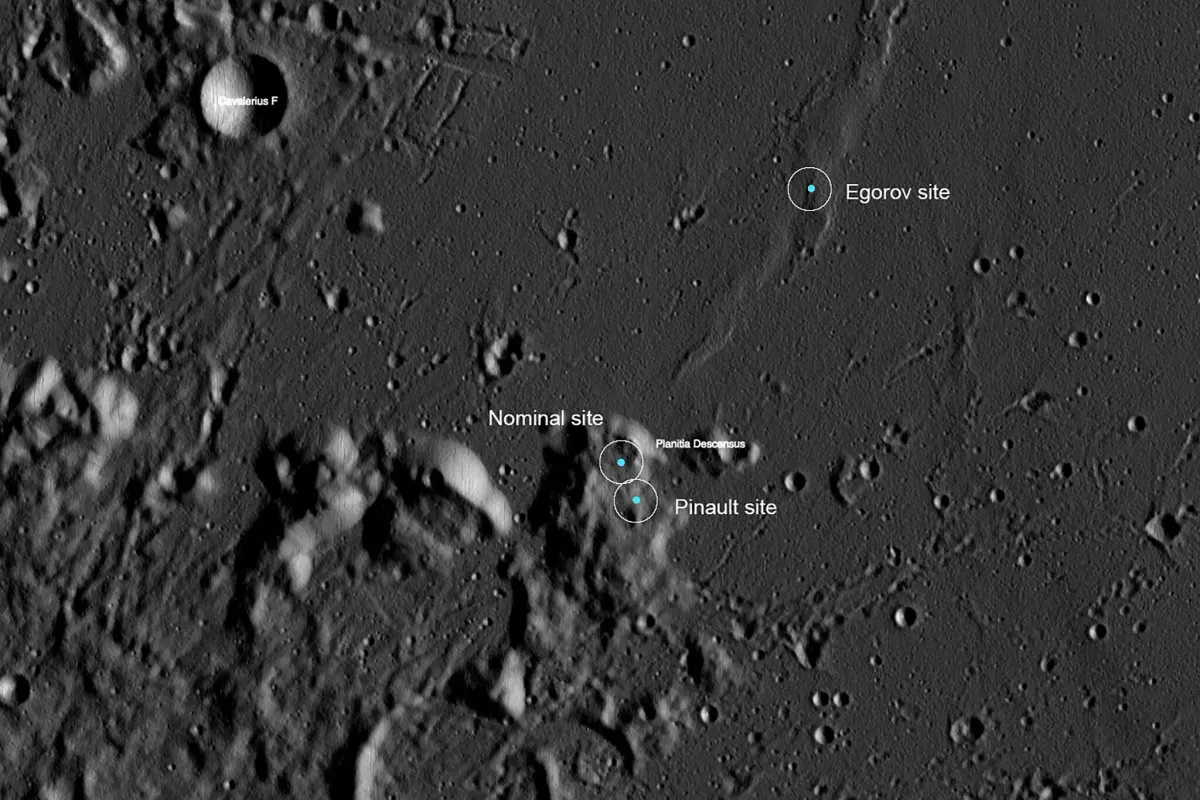
I’m really proud of this short feature for The New York Times about the search for Luna 9, which performed the inaugural soft-landing on the Moon and revealed the view from the lunar surface for the first time.
The Soviet probe has never been spotted since its landing in 1966, but space sleuths have been searching for the sunlit glare of its remains for more than a decade with high-resolution lunar imagery. Over the past month, two teams have announced candidate sites for the final resting place of Luna 9—but they do not agree on the location.
This article is particularly special to me because I have a real soft spot for this soft-landing. I even own a copy of the original 1966 issue of Pravda that announced the milestone achievement of Luna 9 (side note: The Soviets were actually scooped on their own landing, as scientists at Jodrell Bank Observatory intercepted Luna 9’s images and published them first).
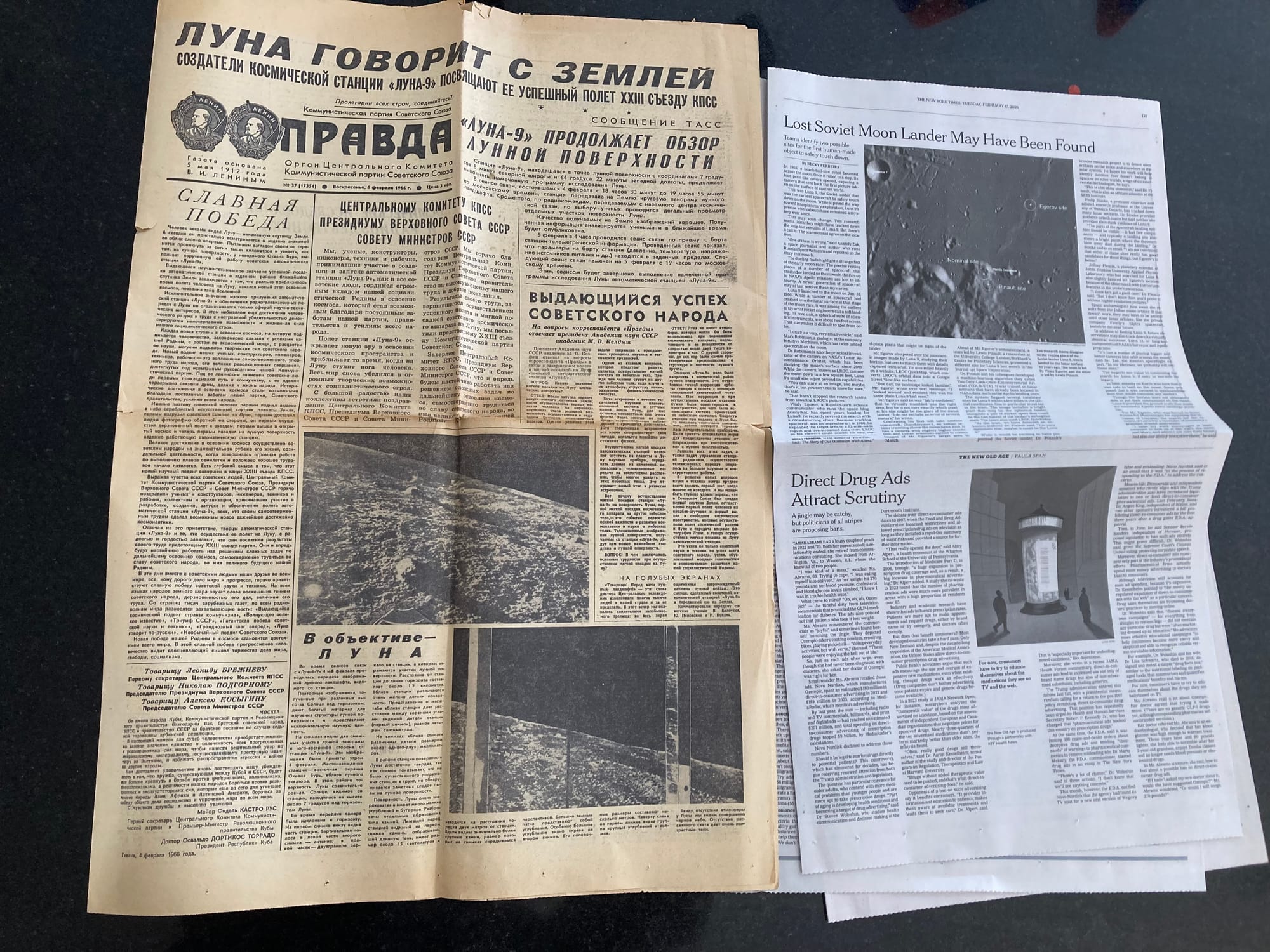
Now, 60 years later almost to the day, researchers think they may have finally tracked down the components of this historic spacecraft. So, even if we don’t get an alien spacecraft in the files, we can at least celebrate the possibility of finding one of our own spacefaring emissaries—the little Soviet lander that proved we could touch another world.
Moving along, as I wrote in my last installment, I took a two-week hiatus from the BeX Files to attend the annual meeting of the American Association for the Advancement of Science in Phoenix for 404 Media, which you can read more about here.
 Becky Ferreira
Naturally, as soon as I logged out, two American presidents decided to touch the extraterrestrial livewire in quick succession. First, Barack Obama set off a furor with his offhand comment that aliens are “real” during a podcast lightning round. He later clarified that he meant “statistically, the universe is so vast that the odds are good there’s life out there” and that he “saw no evidence during my presidency that extraterrestrials have made contact with us.”
It has become a law of American politics that every Obama action prompts an equal and opposite Trump reaction. Seizing the alien momentum, Donald Trump announced last week that his administration would “begin the process of identifying and releasing Government files related to alien and extraterrestrial life, unidentified aerial phenomena (UAP), and unidentified flying objects (UFOs).” He also accused Obama of divulging classified information about aliens.
Phew! I will have more to say about the possible release of new files in a forthcoming article, but I did want to point to some useful sources in the meantime.
First, reporter extraordinaire Maddie Stone has a great take on our alien obsession in her newsletter the Science of Fiction. I was very honored to contribute my thoughts for the piece, and I cannot recommend Maddie’s work enough: subscribe here.
 Maddie Stone
CBS News also did an interesting roundup of initial impressions from scientists in different fields. In my own conversations with scientists and academics who study UAP, there is a growing tension between being open-minded and supportive of transparency from the government, and concerns about sensationalizing the topic or disappointing the public with nothing-burgers from outer space.
While I have no clue what will be in any new files, one thing is very clear: Humanity’s obsession with aliens is only intensifying. Extraterrestrials are dominating the pop culture landscape; two of the most anticipated movies this year are the alien-centric Project Hail Mary, out next month, and Steven Spielberg’s Disclosure Day, out in June. Suspicions about alien coverups have steadily drifted from the fringes to the mainstream, buoyed on statements from former government officials in Congressional hearings and in the recent documentary The Age of Disclosure.
Oh yeah, and there’s that whole scientific side of search for life, which continues to chug along with fascinating ideas—like this new study about a simulated extraterrestrial message in 2023 called “A Sign in Space,” which “reached over a hundred million people globally through media coverage and online channels, demonstrating significant public interest and engagement.”
The public is interested and engaged all right. Where all that energy will go, only time will tell. But even if the files don’t contain any alien spaceships or bodies, or if scientists never come up with a clear detection of life beyond Earth—at least we’ll have a lot of fictional aliens to keep us occupied.
Last, before closing the file, I wanted to share another new article I wrote for WIRED about the mysteries of the Kuiper belt, the ring of icy objects beyond Neptune, and what new telescopes and missions might expose in its dark reaches. Even in our own solar system, we are constantly pushing the frontier.
 Becky Ferreira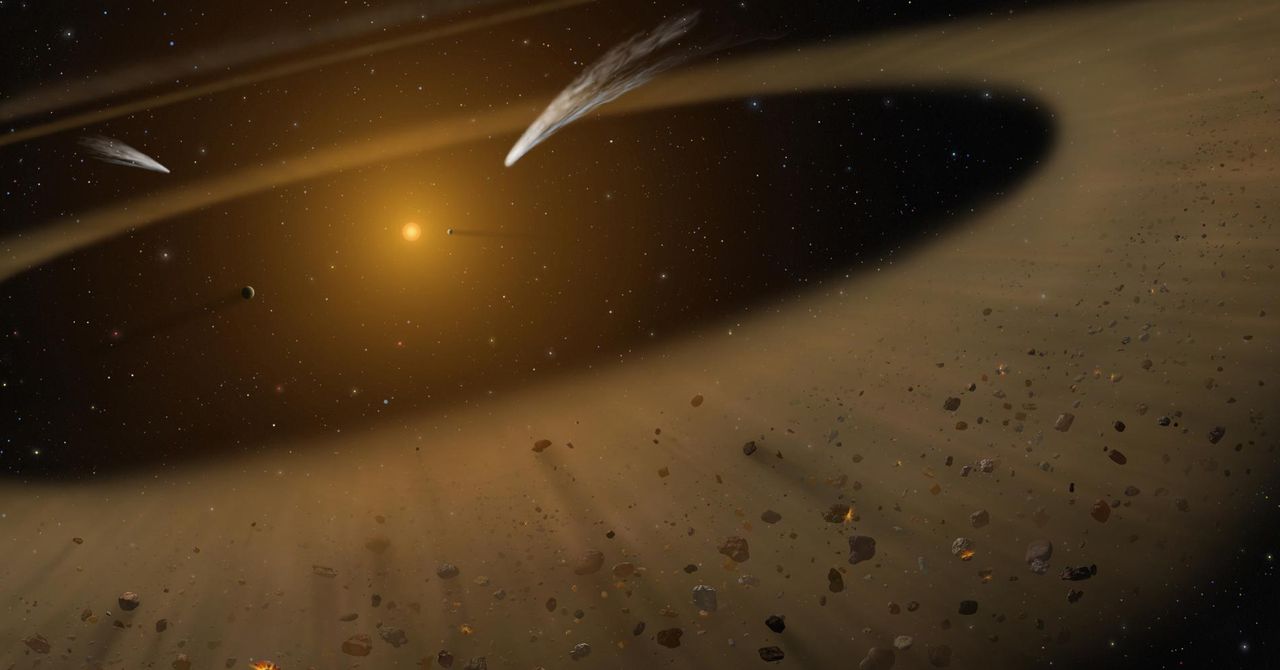
That’s all for this week. See you at the cosmic rest stop next Friday.