The science behind the search for alien artifacts

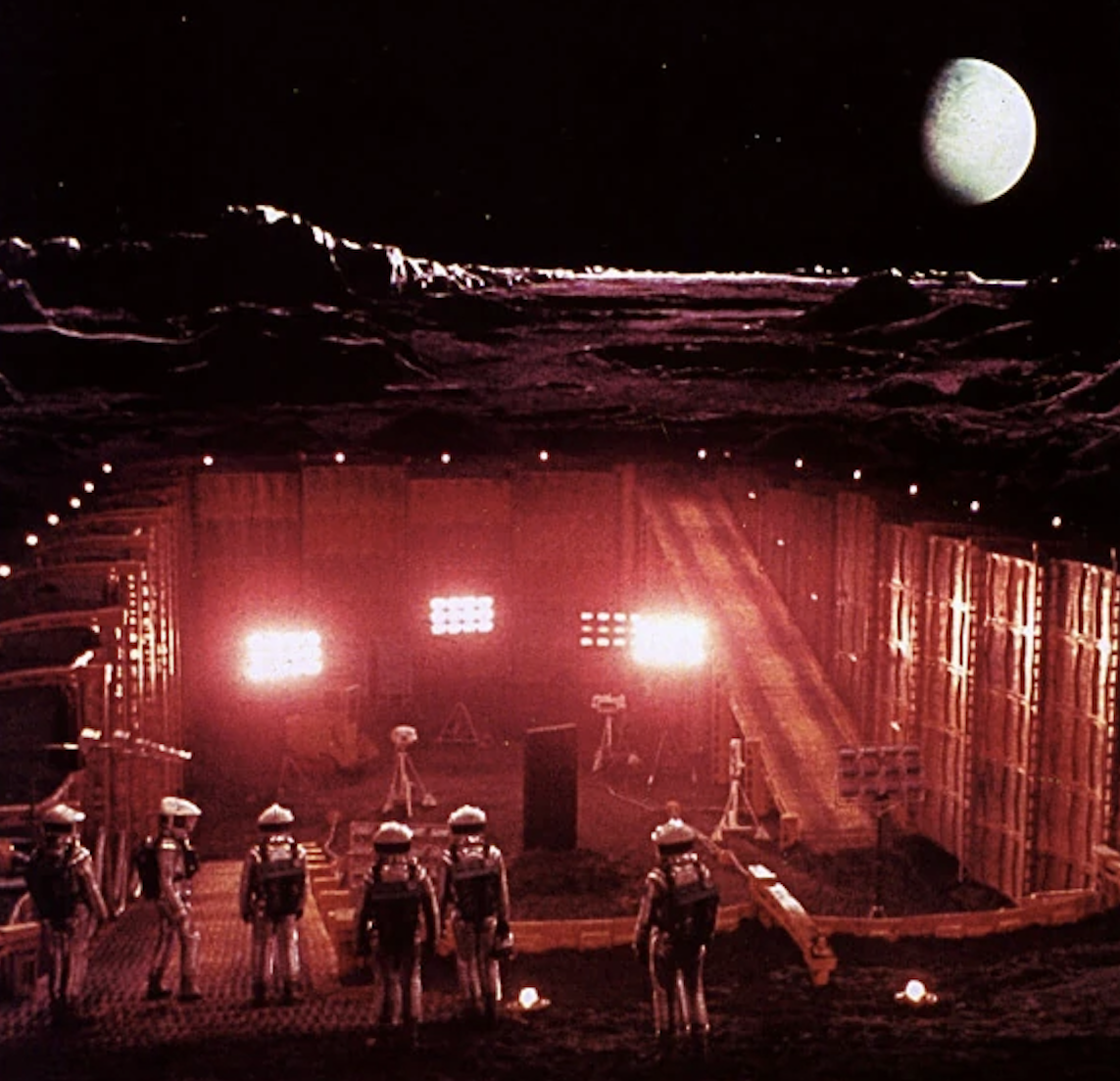
Thanks for tuning back into the BeX Files! Get out your cosmic metal detectors, because this week we return to the tantalizing topic of alien artifacts.
As I wrote in a previous file on xenoarchaeology, few alien tropes are more compelling than the prospect of discovering the material remnants of an extraterrestrial civilization right here in the solar system.
Imagine digging up time capsules on Mars, or finding alien trash in orbit, or intercepting an extraterrestrial version of our own ambassadorial Voyager probes, complete with a boppin’ playlist from another planet. The possibilities are endless!
Fortunately, this sort of speculation is not confined to science fiction. In an article for WIRED published on Monday, I wrote about the search for extraterrestrial artifacts (SETA), a scientific effort to identify possible alien artifacts that might be near Earth, on other planets, or passing through our solar system as interstellar objects.
 Becky Ferreira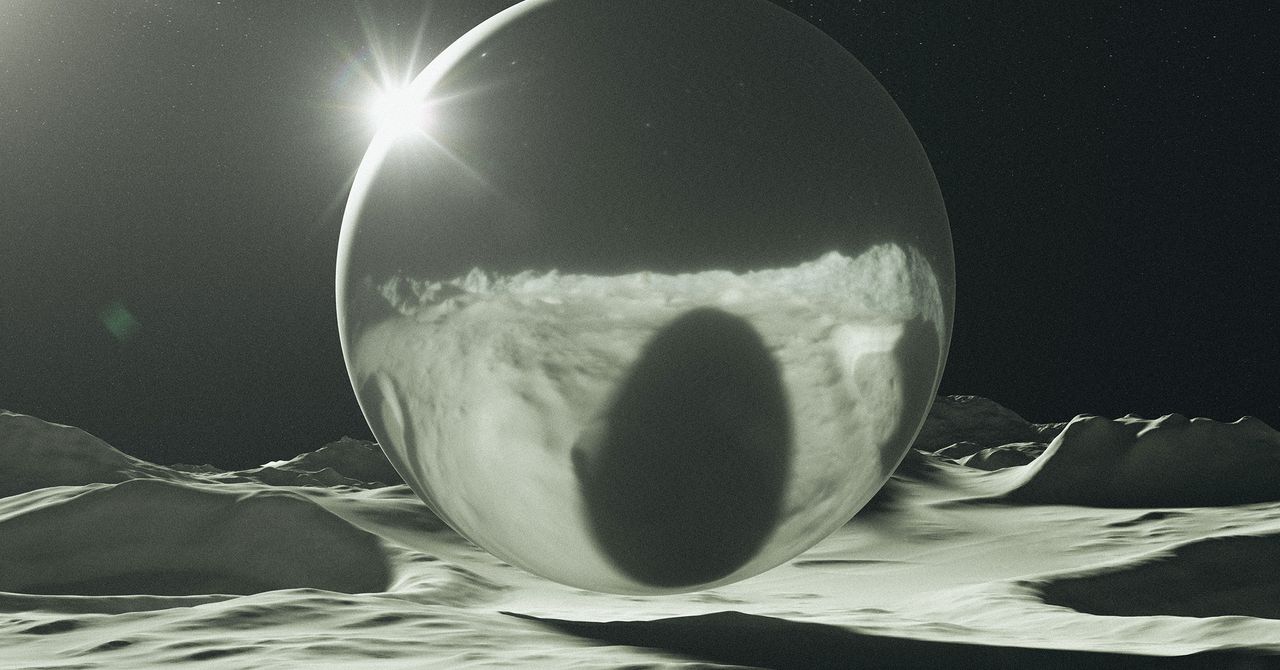
For the article, I spoke to Adam Frank, a professor of astrophysics at the University of Rochester and a prolific writer on the search for extraterrestrial life, particularly technosignatures. I highly recommend his 2023 book The Little Book of Aliens, which was a helpful source for First Contact.
 Home
Home
“In the history of technosignatures, the possibility that there could be artifacts in the solar system has been around for a long time,” Frank told me. “We've been thinking about this for decades. We’ve been waiting for this to happen. But being responsible scientists means holding to the highest standards of evidence and also not crying wolf.”
Frank considers the wild speculation that interstellar objects might be alien spaceships to be a prime example of crying wolf. Are these objects weird? Yes, particularly the first one—1I/‘Oumuamua, discovered in 2017—and the comet 3I/ATLAS, which was spotted last year. These objects come from other star systems, so it’s not that surprising that they are weird. But an object has to reach the high bar of “freaky” (Frank’s "technical term") to merit consideration as a possible alien artifact or technosignature.
For further reading along those lines, I recommend this comprehensive 2025 review about how to screen interstellar objects as possible technosignatures, which was led by University of Washington astronomer James Davenport and co-authored by Frank.
 James R. A. Davenport
I also spoke to Beatriz Villarroel, an assistant professor of astronomy at the Nordic Institute for Theoretical Physics, whose research into the search for alien artifacts has sparked a lot of debate over the past few years. She has produced a portrait of the pre-Sputnik sky by studying archival photographic observations captured by telescopes before the dawn of the space age.
She had initially been looking for any evidence that stars, or other natural objects, might vanish on these archival plates, but instead she found transients in Earth orbit that look like artificial objects—before humans had ever launched any satellites.
 Stephen Bruehl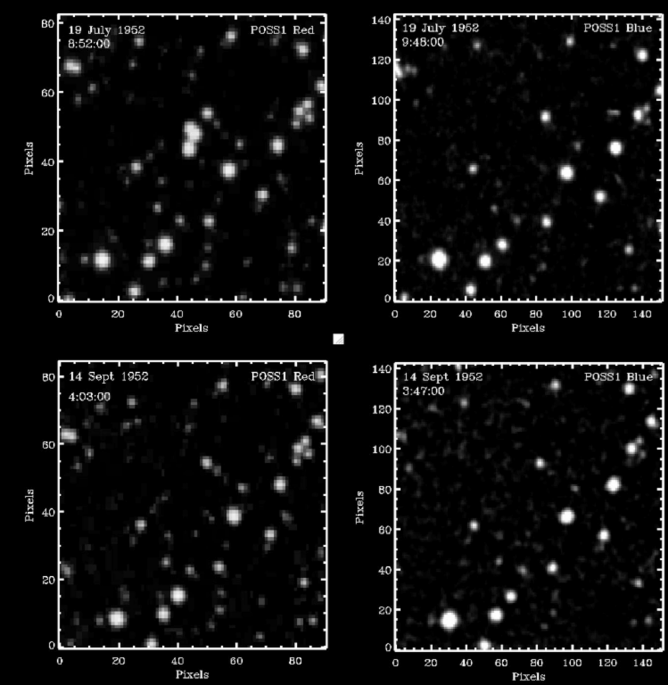
“That’s when I realized this is actually a fantastic archive, not for searching for vanishing stars, but for looking for artifacts,” she told me.
Scientists have proposed other possible explanations for the transients, such as meteors, instrumental errors, and atmospheric debris from nuclear tests. But the mystery remains unsolved, for now.
For a perspective on the broader impact of finding an alien artifact, I spoke with Michael Bohlander, chair of global law and SETI policy, who warned that our current civilization is ill-prepared for this momentous discovery.
“Depending on how close things get—from an artifact somewhere out in space to a spaceship found on Earth or maybe in orbit—lots of people would be excited about it, but scared at the same time,” he said. “Mass panics and hysterical reactions could be expected on a large scale.”
Check out the WIRED article for more about the history of the search for alien artifacts—and the daunting question of what we should do if we actually find one. Sorry if it’s behind a paywall, but reporters gotta eat!
Last, I wanted to share my new article for National Geographic on spogomi, a sport that combines speedwalking with trash pickup.


This one is just a random feel-good story about a growing community of competitive street cleaners. Whether it’s alien space garbage or earthly urban litter, I guess it’s just a trashy kind of week for the BeX Files.
That’s a wrap! See you at the cosmic rest stop next week.