Who wants to be an extraterrestrial spelunker?

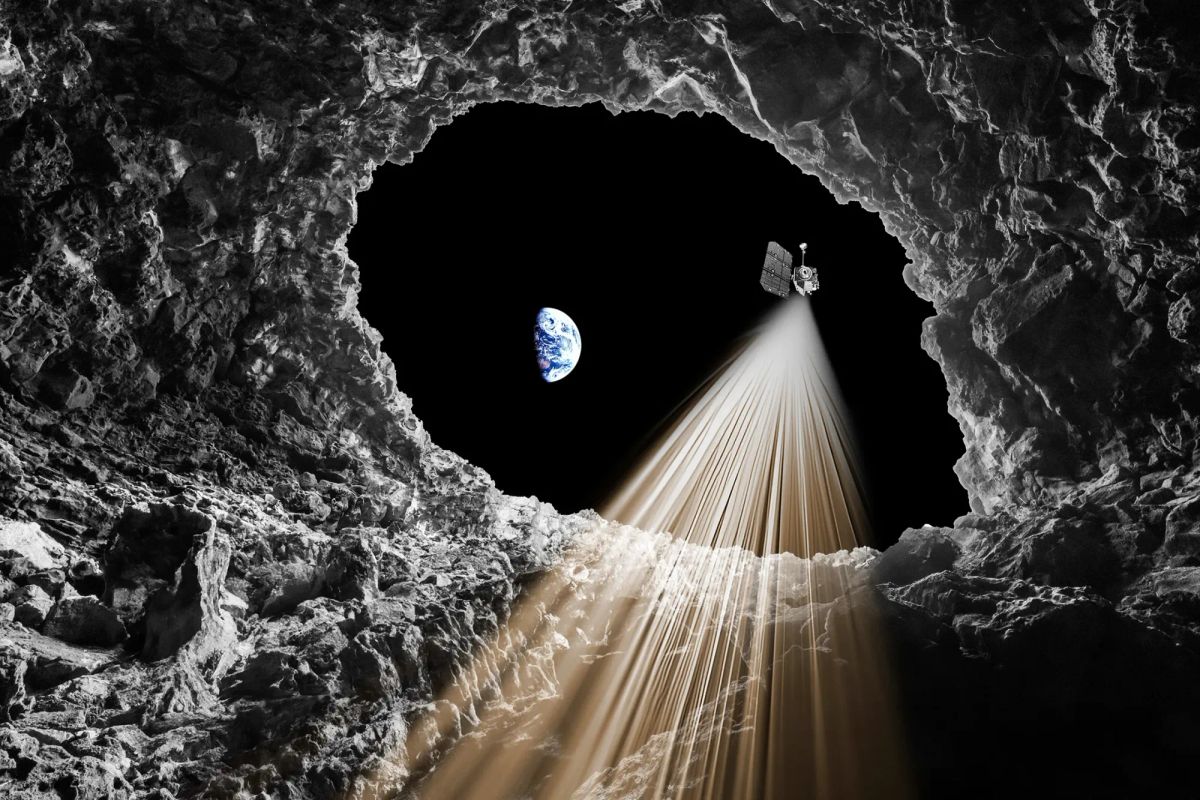
Thanks for tuning back into the BeX Files! Get your headlamps and harnesses ready, because today we are caving on alien worlds.
For WIRED, I covered the thriving field of planetary caves. These subterranean spaces on planetary bodies are among the most promising places to search for alien life—and one day may serve as shelters for off-Earth human explorers.
 Becky Ferreira
Caves come in so many varieties here on Earth: Cavernous karst palaces, labyrinthine lava tubes, glacial ice chambers, undersea marine hollows, and dazzling marble passages, just to name a few.
Despite the challenging conditions in many earthly caves, these environments host an incredible diversity of lifeforms that often eke out a living where the sun doesn’t shine, or toxic gasses abound, or even in “subglacial lakes” buried under four kilometers of ice.
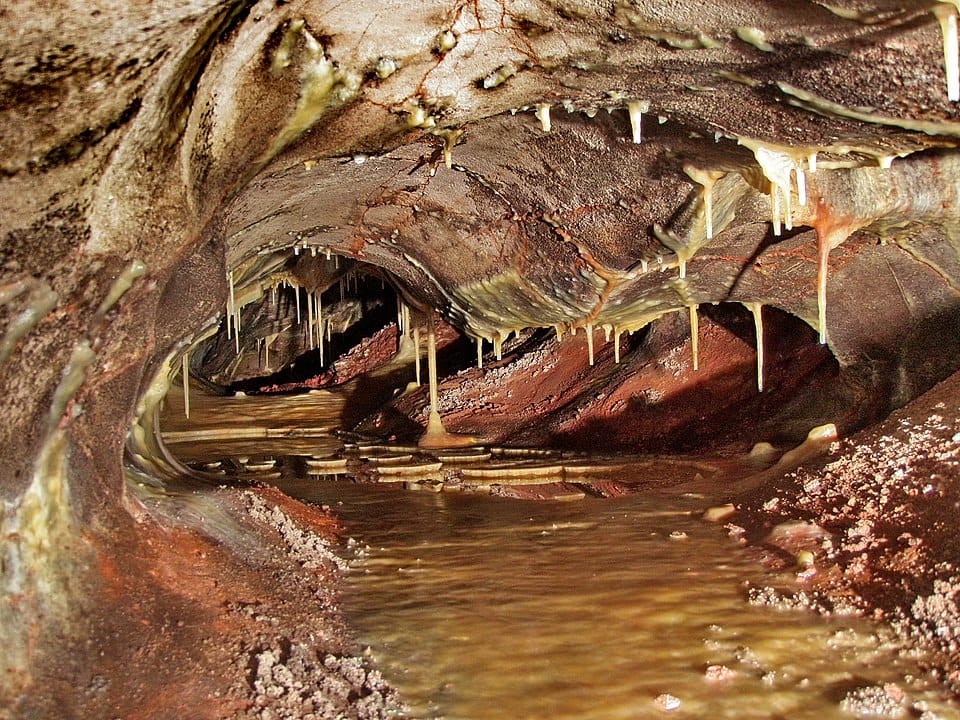
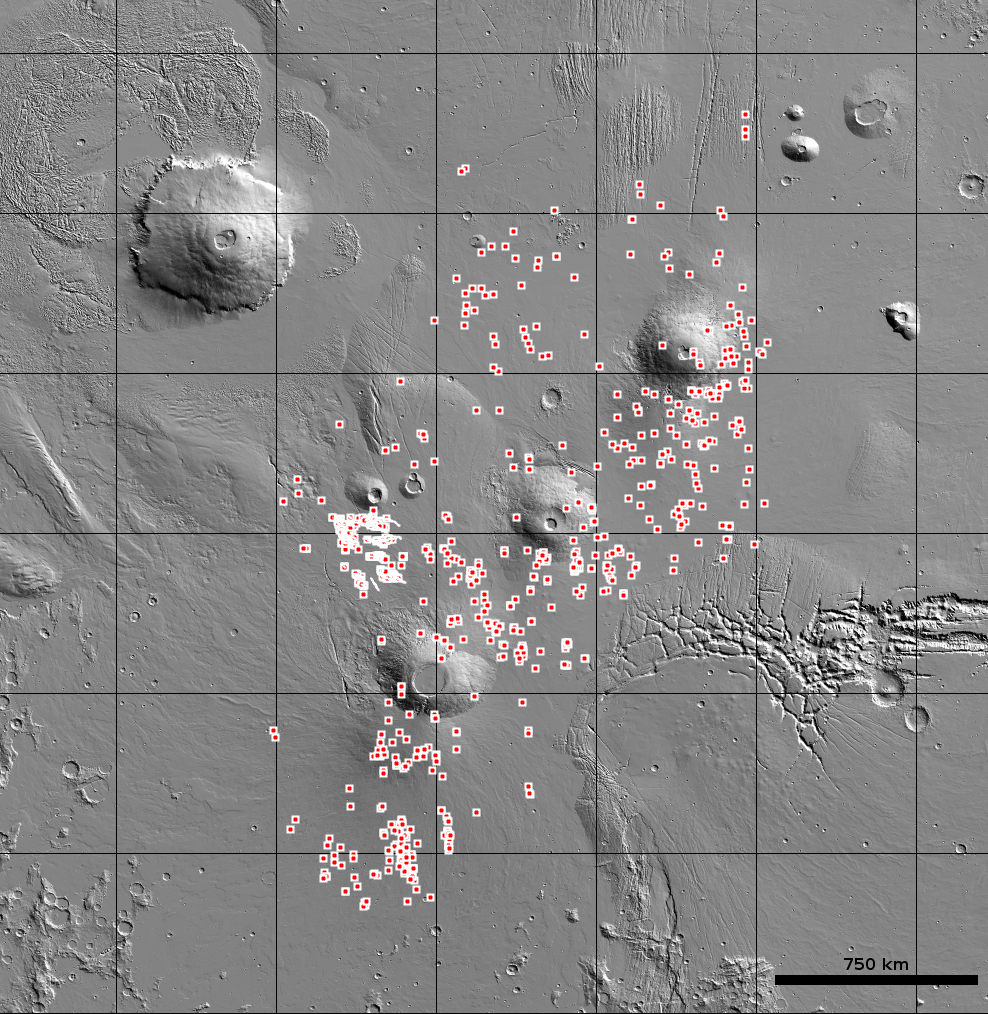
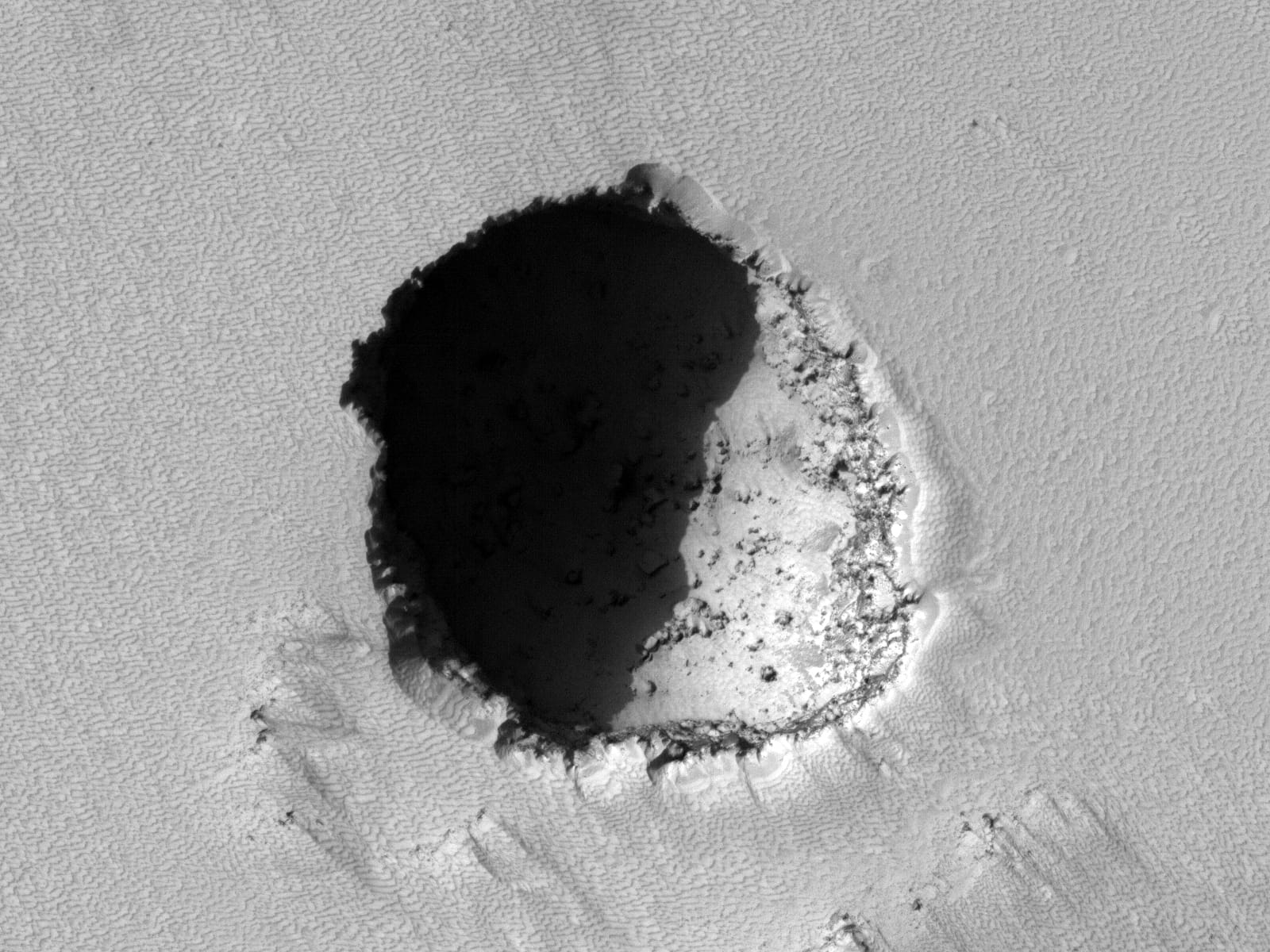
For this reason, planetary caves are a clear priority in the search for extraterrestrial life. Given their subterranean locations, caves offer protection from the intense surface radiation on most of our neighboring worlds, including the Moon or Mars. Jupiter’s moon Europa also likely hosts its own subglacial lakes within its thick ice shell, safely below its irradiated surface.
To learn more about this field, I spoke with Penelope Boston, the former director of NASA’s Astrobiological Institute, who helped pioneer the study of planetary caves in the 1990s and has watched it flourish into a hot topic. I also spoke to Jut Wynne, a cave ecologist at Northern Arizona University, and Joshua Sebree, an astrobiologist at University of Northern Iowa, both of whom have published extensive research into the prospect of alien life in extraterrestrial caves.
Caves have also played a major role in human evolutionary history as shelters from predators and exposure, hubs for ritual gatherings, and early art galleries. To that end, the article speculates on the role that extraterrestrial caves may play in the future of human exploration on other worlds.
The word “caveman” tends to evoke a more primitive version of our species, but perhaps our future selves will once again find refuge in caves on other worlds. I hope you enjoy the article, though be forewarned: It opens with some eye-watering body horror.
Before closing the file for the day, I wanted to shout out the video recaps I’ve started making for my stories at 404 Media, with the help of their amazing team. Check out my Instagram page, or 404 Media's, for a quick rundown on the science studies I’ve been covering, including the latest on chimp “civil war,” sperm whale doulas, and forbidden black holes.
Good luck finding your way out of the winding alien caves! For those who reach the surface again, see you at the cosmic rest stop next week.