An update on the end of the world

Thanks for tuning back into the BeX Files! Settle your affairs and make peace with your god (or the equivalent), because we are staring down the end of the world today.
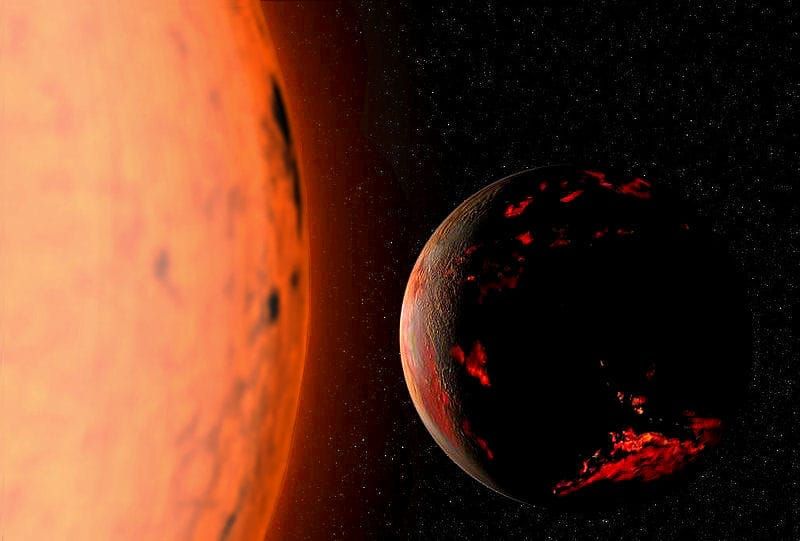
One of the wildest open questions in science is the ultimate fate of Earth. As the Sun expands during its red giant phase in several billion years, Mercury and Venus are sure to be engulfed by its ballooning borders, but the outcome for our home world is ambiguous. Our planet orbits in a gray zone between possible intact survival (albeit as a literally scorched Earth) or being served up as the dessert of a three-course planetary meal, following the Mercurian appetizer and Venusian entree.
 Becky Ferreira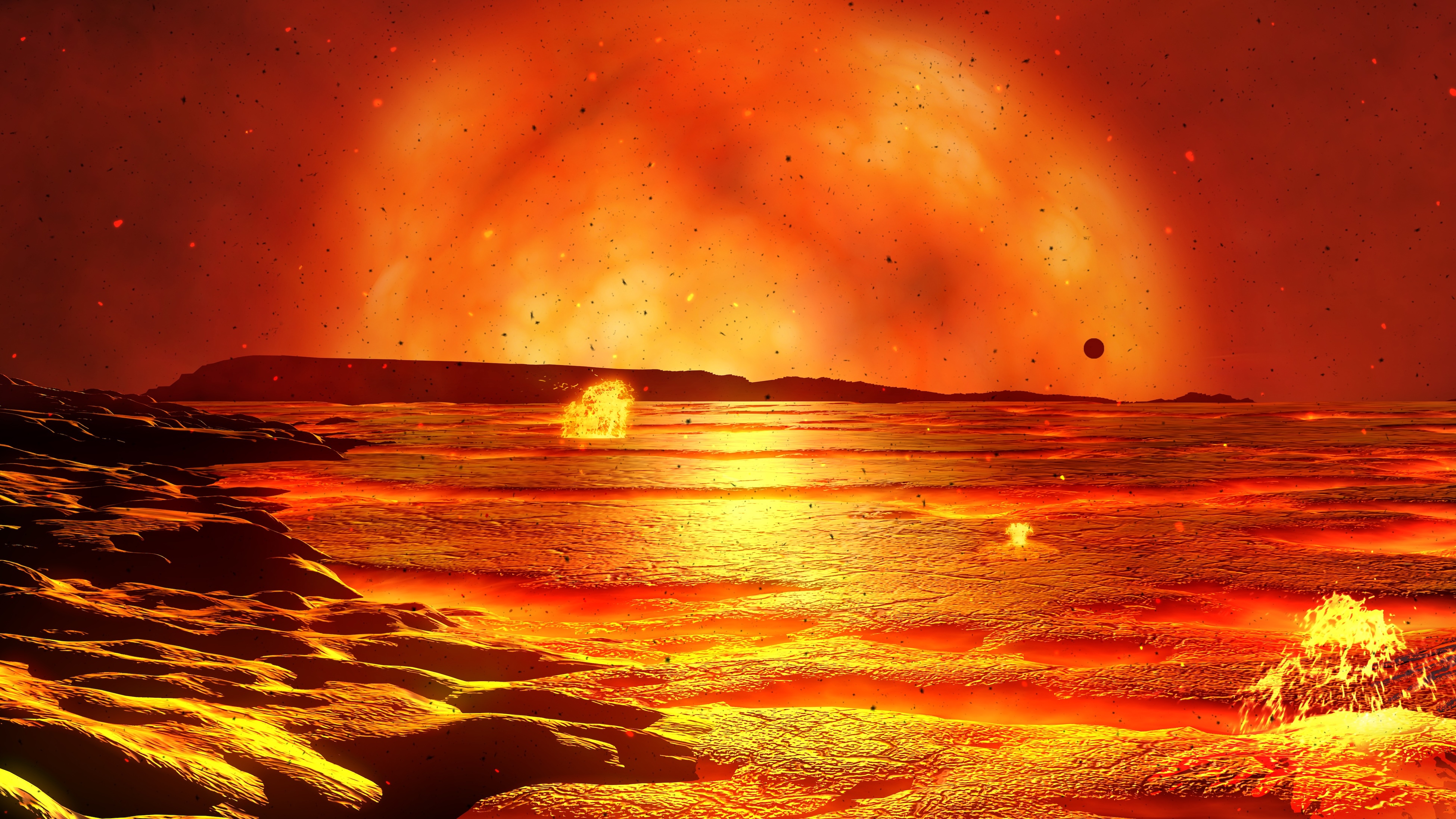
I had a blast writing about this conundrum last year for Defector in an article that cast the options as Team Fiery Sun Death or Team Lifeless Husk. Moreover, I have been really lucky to have covered many fascinating stories about planetary engulfment—the term for the consumption of planets by stars—which I will drop in throughout this update on the apocalypse.
Though nobody knows what destiny awaits Earth, scientists have now nudged the odds slightly toward Team Lifeless Husk in a study published last week in Astronomy & Astrophysics.
 Full Guide (PDF file)
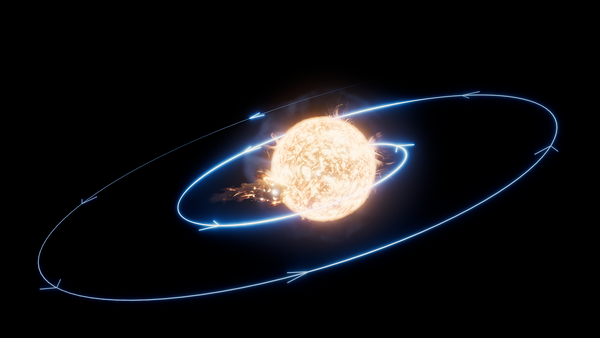
Led by Mats Esseldeurs of KU Leuven's Institute of Astronomy, the team used updated models to track the orbits of the inner planets during the Sun's red giant death, known as its Asymptotic Giant Branch (AGB) phase.
The researchers conclude that Earth will probably avoid being swallowed outright, even if survival comes with the minor downside of being completely uninhabitable due to a thorough solar flame-broiling.
The study concluded that “it is likely that the Earth will survive the Sun’s red giant phase” though “the final fate of Earth is still unclear.”
We might get more clues in the coming years from observations of senescent red giants across the galaxy, especially by the European space telescope PLATO, which is due for launch next year.
PLATO and other telescopes “will enable us to conduct population studies of the planetary orbital evolution around evolved stars and help us to constrain the future evolution of the Earth-Sun system,” Esseldeurs and his colleagues said.
It's equal parts comforting and disturbing that the fate of Earth may ultimately be solved by watching countless other worlds meet theirs first.
That’s the file for today! I’ll be taking next week off for the holiday weekend. See you at the cosmic rest stop in July.